






Can Christians Wear Jewelry? Faith and Biblical Context
Many Christians wear jewelry as a personal expression of faith or simply as adornment. Others avoid it as part of their understanding of modesty and Christian discipleship. The answer deserves more care than a universal yes or no: Scripture addresses outward adornment, character, and devotion, and Christians differ in how they apply those passages.
At Glor-e, we offer jewelry as a meaningful reminder of faith. We also respect those who choose not to wear it. A necklace, ring, or pair of earrings cannot measure the depth of someone’s relationship with God.
What does the Bible say about wearing jewelry?
Two New Testament passages are central to this question. Read them in context before deciding how they apply to your own life.
1 Timothy 2:9–10: modesty and good deeds
In 1 Timothy 2:9–10, Paul contrasts elaborate adornment—including gold, pearls, and expensive clothing—with modest dress and good deeds. The passage calls readers to consider how their appearance relates to their profession of faith.
1 Peter 3:3–4: the inner person
1 Peter 3:3–4 contrasts outward adornment with the lasting worth of a gentle and quiet spirit. Character matters more than the impression created by clothing or jewelry.
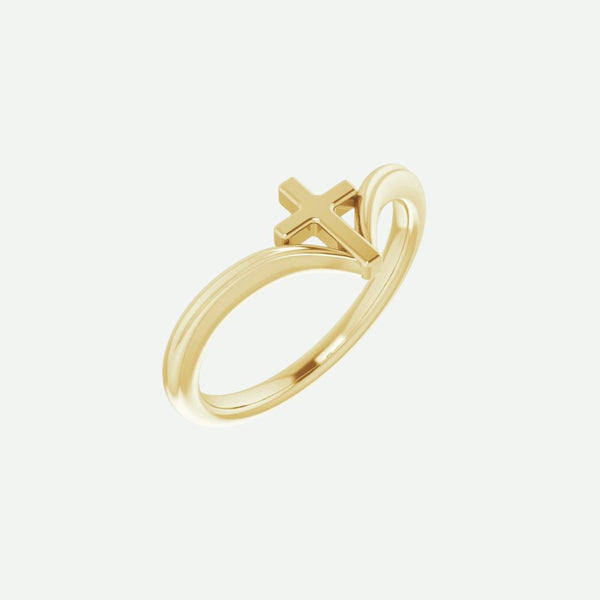
These passages should not be brushed aside because a piece carries a Christian symbol. A cross pendant does not automatically settle the questions of modesty, motive, or conduct.
Ezekiel 16: jewelry within a larger story
The existing discussion also points to Ezekiel 16:8–22, where Jerusalem is described as adorned with jewelry, gold, and silver. The story then turns to unfaithfulness and the misuse of gifts. It should not be reduced to an uncomplicated endorsement of wearing jewelry.
Taken together, these passages invite careful reading rather than a slogan that ends the discussion.
Why do Christians reach different conclusions?
Christians differ over whether the New Testament passages prohibit ornamental jewelry or chiefly direct attention away from outward display and toward godly character. Church teaching, family practice, and personal conviction can shape how someone approaches the question.
For one concrete example, the Seventh-day Adventist Church’s official discussion of Christian behavior presents modesty and simplicity as part of discipleship and explains its approach to adornment. That perspective deserves to be represented respectfully, rather than folded into a claim that all Christians agree.
If your church teaches a particular practice, speak with a trusted pastor or spiritual adviser. Read the relevant passages together and consider the reasons behind that teaching. A jewelry brand should not take the place of that conversation.
Can Christians wear gold jewelry?
Gold is explicitly mentioned in both New Testament passages above. The question therefore involves more than whether a material is beautiful or valuable: it also concerns how you interpret the passages and apply your convictions about adornment.
If you choose to wear gold, consider simplicity, your budget, and your reasons for wearing it. Choosing a precious metal does not make a person more faithful; choosing to go without jewelry does not need to be treated as a rejection of beauty.
What can Christian jewelry mean to its wearer?
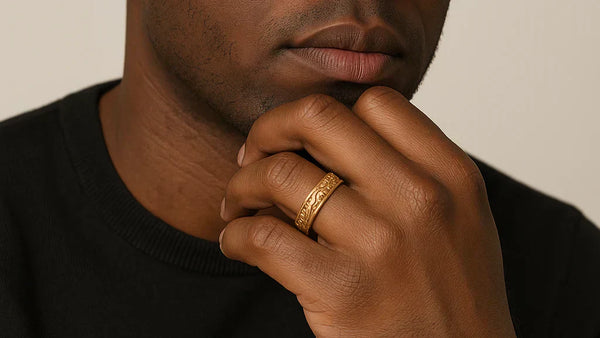
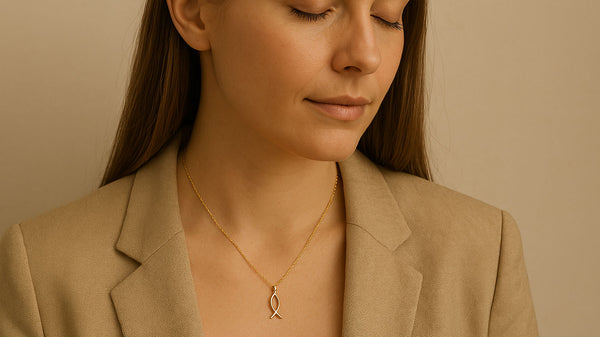
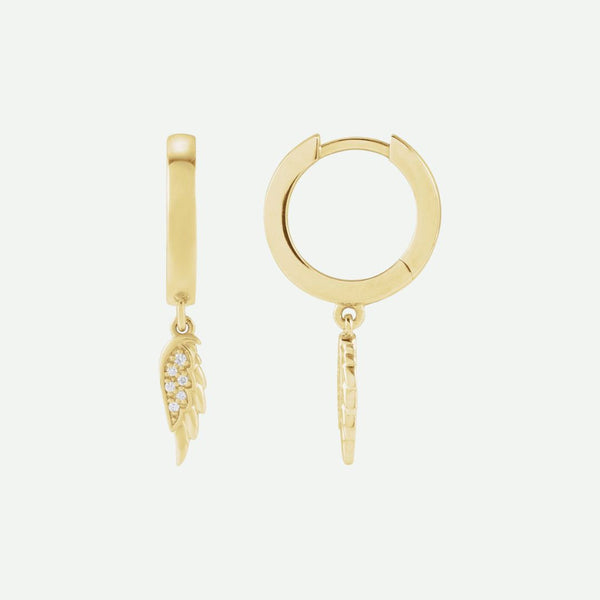
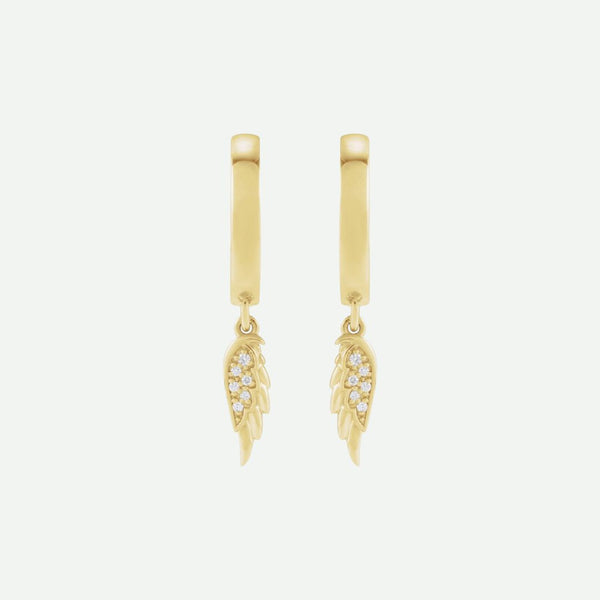
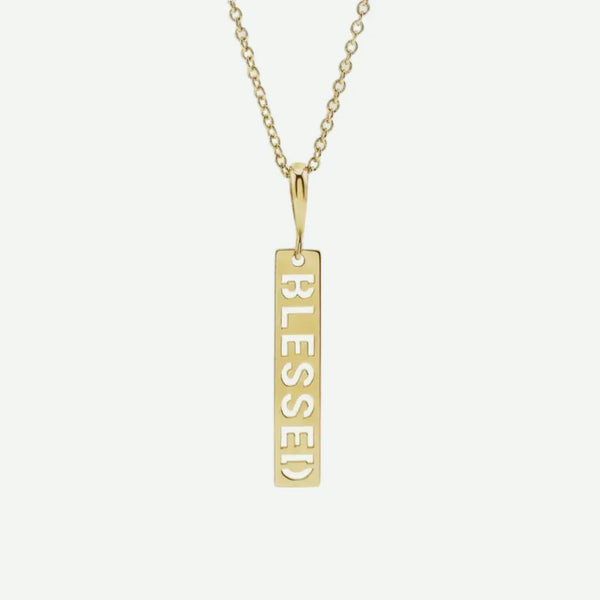
For someone whose convictions allow it, jewelry can serve as a personal reminder of prayer, hope, or a meaningful commitment. It may also open a conversation about faith when the wearer wishes to share that story.
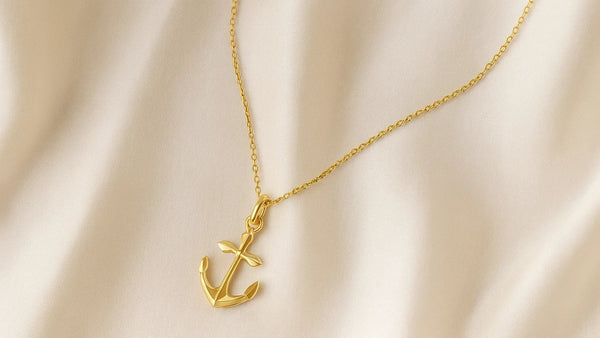
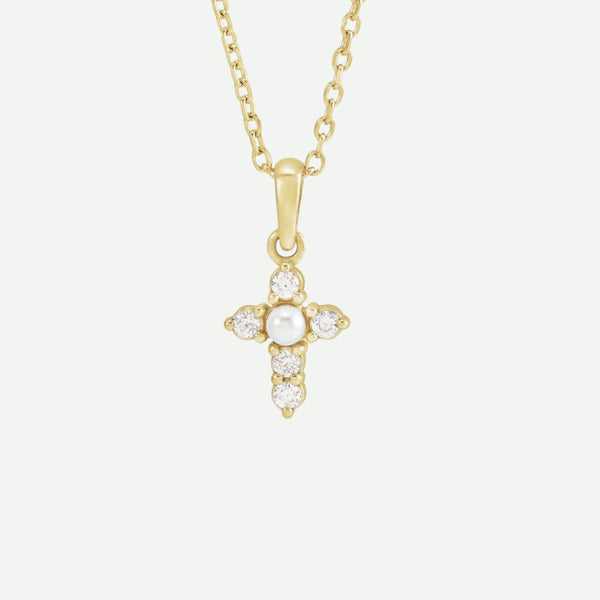
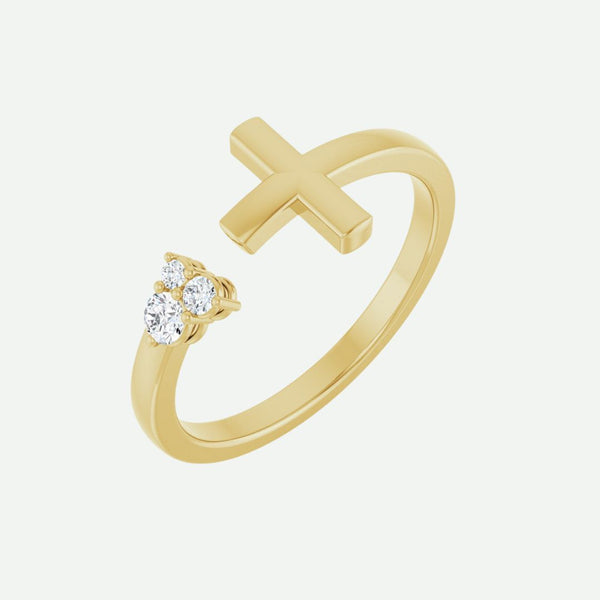
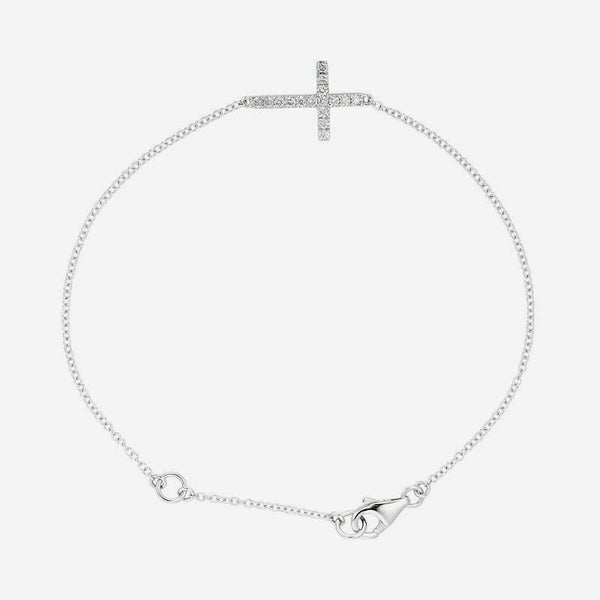
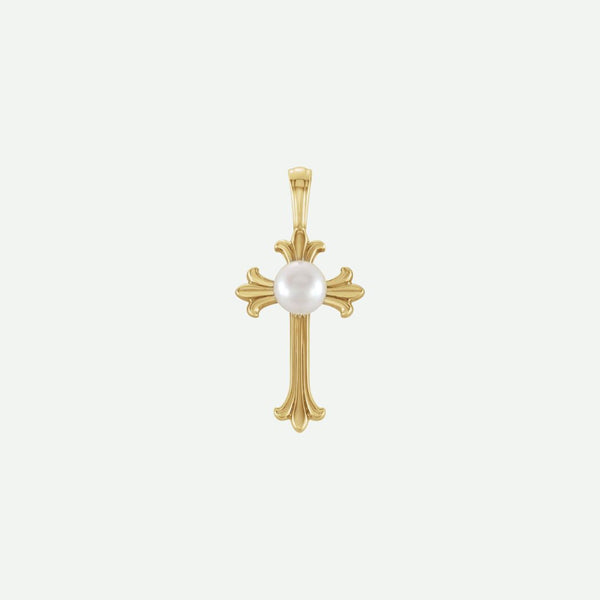
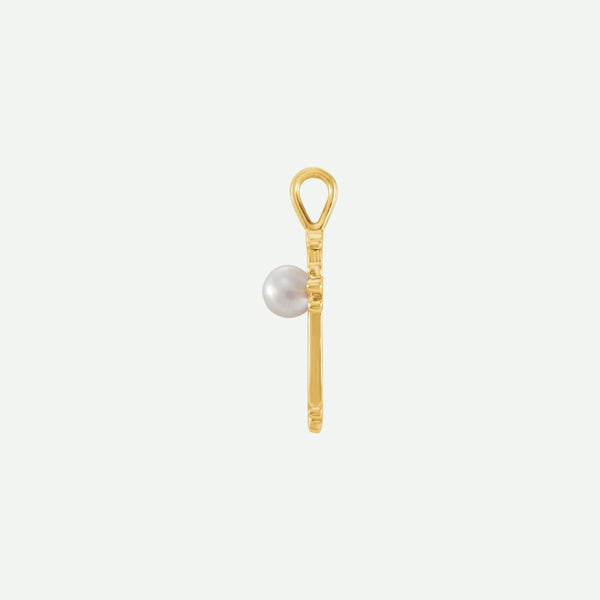
The symbol and its meaning should be understood rather than assumed. A cross can point to Christ’s sacrifice; an anchor can recall hope; a dove can evoke the Holy Spirit and peace. Our Christian jewelry symbols guide explores those meanings. For a more focused reflection, read The Significance of Cross Necklaces in Christianity.
Jewelry remains an outward object. It cannot replace prayer, compassion, integrity, or care for others, and it should not be treated as a guarantee of spiritual protection.
Questions to consider before wearing or giving jewelry
- Conviction: Does this choice fit my understanding of Scripture and the teaching of my faith community?
- Motive: Am I choosing it for personal meaning, enjoyment, or a desire to impress others?
- Stewardship: Does the purchase fit my circumstances and responsibilities?
- Respect: If it is a gift, does the recipient welcome jewelry and the meaning of this particular symbol?
A thoughtful choice leaves room for another Christian to reach a different conclusion. The wearer’s character and actions deserve more attention than the presence or absence of a piece of jewelry.
Frequently asked questions
Is wearing jewelry a sin for Christians?
Christians do not all answer this in the same way. Read the passages on adornment in context, consider your church’s teaching, and seek pastoral guidance if you are uncertain. A Christian design alone does not resolve the question.
Is a cross necklace required to express Christian faith?
This article presents jewelry as an optional personal expression, not a requirement or a measure of belief. Faith can be expressed through prayer, conduct, service, and words whether or not someone wears a visible symbol.
Can I give Christian jewelry to someone who avoids adornment?
Ask about their preference first. Respecting the recipient’s convictions is more thoughtful than assuming a religious symbol makes the gift appropriate.
A reminder that points beyond itself
For those who choose to wear it, Christian jewelry can carry a personal story of hope, gratitude, or commitment. Let that meaning point toward the faith you live, rather than treating the object as evidence of spiritual worth. For those who choose not to wear it, that decision also deserves respect.